THE WANDERING RAGAMUFFIN
We discover the real God as we wander in our wilderness
Free
"The Wandering Ragamuffin" - A Song Description
"The Wandering Ragamuffin" is a bold and introspective anthem for spiritual seekers who find themselves outside traditional religious structures. This compelling narrative song tells the story of someone who has been cast out from institutional faith but discovers that the wilderness becomes their sanctuary and classroom.
The song opens with a powerful image of departure—leaving "the safety of the sanctuary with my questions and my doubt"—immediately establishing the tension between institutional comfort and authentic spiritual seeking. The protagonist becomes a spiritual exile, "too dangerous" for conventional religious spaces, but this rejection becomes the catalyst for a deeper, more authentic faith journey.
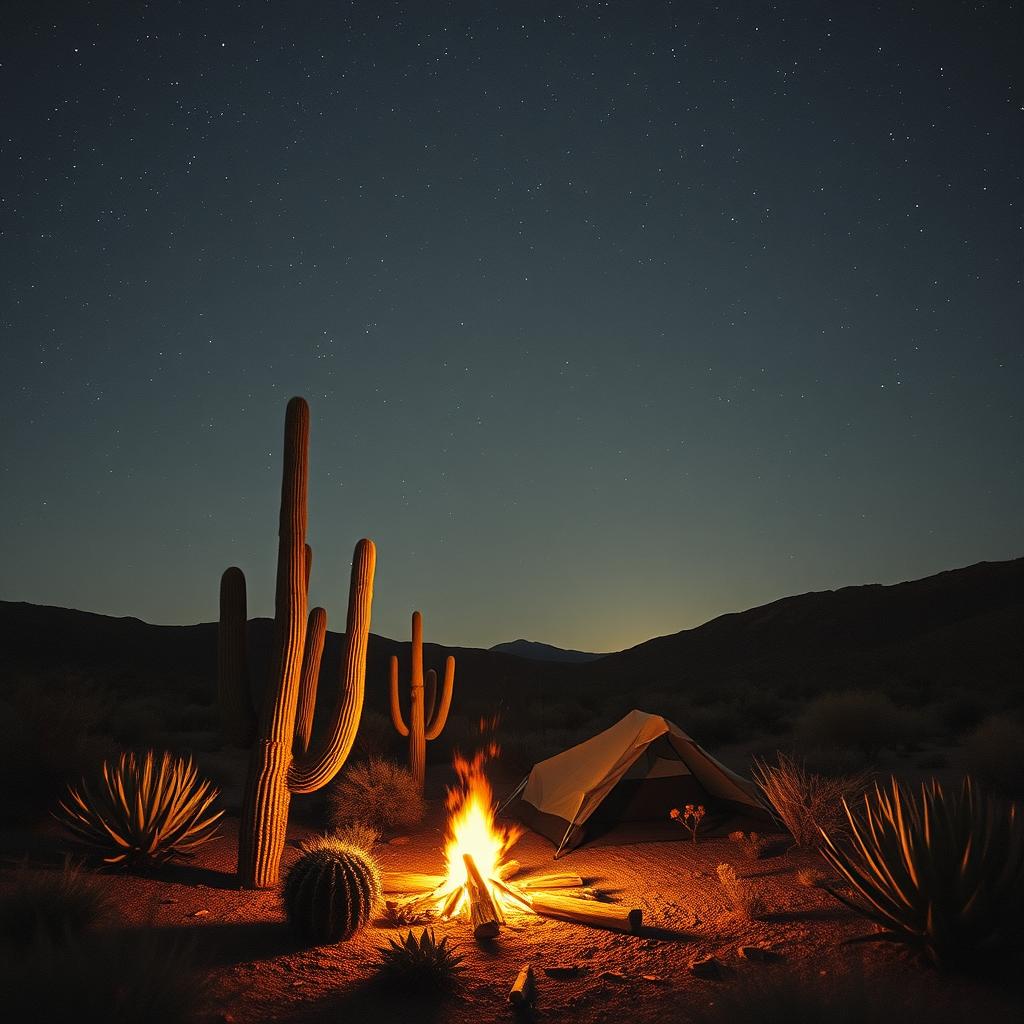
What sets this song apart is its embrace of the wilderness as a sacred space. Rather than viewing exile as punishment, the narrator discovers that "God is in the desert, God is in the wild." The imagery is rich with biblical parallels—trading "stained glass for the starlight" and "hymns for coyote calls"—suggesting that divine encounter isn't confined to traditional religious settings.
The term "ragamuffin" serves as both self-identification and reclamation. Drawing from the rich tradition of ragamuffin spirituality (popularized by author Brennan Manning), it celebrates those who are spiritually hungry despite—or perhaps because of—their brokenness and questions. The repetitive chorus creates an anthem for the spiritually displaced, affirming their worth and journey.
The second verse expands the vision to include a community of fellow seekers—"prophets, dreamers, and the broken who refused to play pretend"—gathered around fires sharing stories "where the rules and regulations end." This creates a powerful alternative vision of spiritual community based on authenticity rather than conformity.
The bridge provides crucial biblical grounding, referencing Moses, Jesus, and David's wilderness experiences, reframing spiritual wandering not as deviation but as preparation. The line "Sometimes you've got to wander to find your way back home" suggests that apparent spiritual exile might actually be the path to deeper intimacy with the divine.
By the final verse, the narrator has fully embraced their journey, recognizing that "the wilderness is exactly what we need to strip away the excess and get back to where faith starts." The progression from carrying questions "like a heavy load" to "learning to let go of my load" shows a transformation from burden to freedom.
Musically and thematically, this song speaks to anyone who has felt displaced by institutional religion while maintaining their spiritual hunger. It offers hope to questioners, doubters, and seekers, suggesting that spiritual authenticity might require leaving familiar territory to discover what faith truly means. The song serves as both personal testimony and invitation, welcoming others into a community of honest seekers finding God in unexpected places.